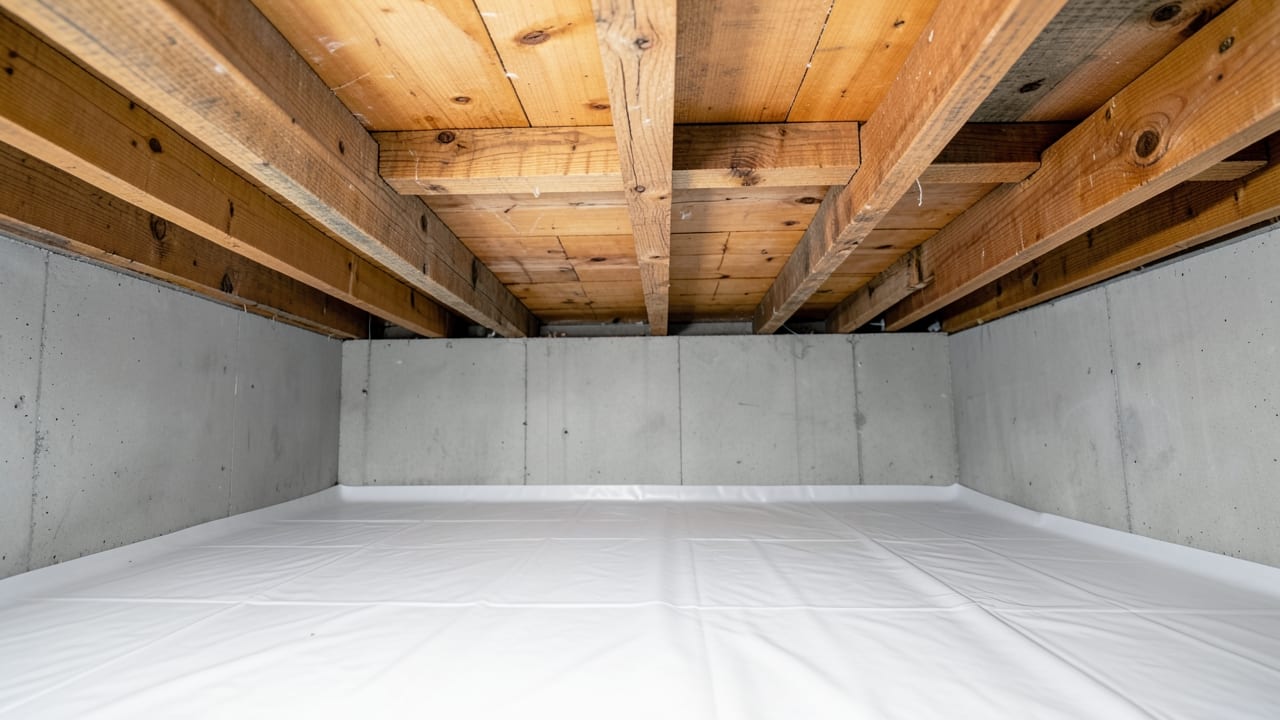
Crawl Space & Basement Mold Remediation
Crawl space and basement mold remediation in Randolph, MA addresses the two areas of a property most prone to trapped, unnoticed moisture.
In Randolph, MA, crawl spaces and basements are prime targets for mold growth due to ground moisture and poor airflow. Our professional remediation services address both the mold and its root cause, ensuring a long-term solution for your home’s health and safety.
Why Crawl Spaces & Basements Develop Mold
Crawl spaces and basements are the most vulnerable areas for mold in Randolph homes. These spaces sit close to ground moisture, receive less airflow than living areas, and are inspected far less often than kitchens or bathrooms.
We also handle New Construction Mold Remediation and Gym Mold Remediation for Randolph properties.
A dirt-floor crawl space or an unfinished basement with a stone or block foundation wicks moisture from the ground, creating a sustained source of humidity that mold thrives on. Without proper sealing or encapsulation, this moisture problem persists.
Signs You May Need Mold Remediation
- Musty odors coming from below the house or in the basement
- Visible mold growth on joists, insulation, or foundation walls
- Peeling paint, water stains, or warped wood in basement areas
- Increased allergy symptoms or respiratory issues when indoors
The Importance of Addressing the Source
Remediating mold without fixing the moisture source often leads to recurring problems. In crawl spaces, a vapor barrier or full encapsulation blocks ground moisture evaporation, while in basements, proper sealing and dehumidification are critical.
These solutions are more permanent than treating mold alone. Our team evaluates your space to determine whether encapsulation, improved ventilation, or a dehumidifier is needed alongside remediation.
| Factor | Impact on Pricing |
|---|---|
| Square footage of affected area | Larger spaces require more materials and labor |
| Access difficulty (e.g., low crawl space) | Limited access increases labor time and cost |
| Encapsulation included | Adds cost but provides long-term moisture control |
| Severity of mold growth | Extensive damage may require additional treatment |
How Crawl Space & Basement Mold Remediation Works
Our process ensures mold is safely removed while addressing the root cause of moisture.
- 1Inspection & Assessment
We thoroughly inspect the crawl space or basement to identify mold growth, moisture sources, and structural damage. This includes checking for water intrusion, poor ventilation, or missing vapor barriers.
- 2Containment & Setup
Containment barriers and HEPA filtration systems are installed to prevent mold spores from spreading to other areas of the home during remediation. This is adapted for confined-space access in crawl spaces.
- 3Mold Removal & Treatment
Affected materials like insulation, drywall, or framing are carefully removed and treated. Surfaces are cleaned with antimicrobial solutions to eliminate remaining spores.
- 4Moisture Control Solutions
We install vapor barriers, encapsulation systems, or dehumidifiers to address the moisture source and prevent future mold growth.
- 5Final Inspection & Verification
A post-remediation inspection ensures all mold has been removed and moisture levels are under control. We provide a detailed report and recommendations for ongoing maintenance.
Frequently Asked Questions
How do I know if my crawl space or basement has mold?
Common signs include musty odors, visible mold growth, water stains, or increased allergy symptoms. A professional inspection can confirm the presence of mold and identify hidden growth in hard-to-reach areas.
Is mold in my crawl space or basement dangerous?
Yes. Mold can release spores that affect indoor air quality, leading to respiratory issues, allergies, and structural damage to your home over time. Addressing it promptly is important for health and safety.
How long does crawl space or basement mold remediation take?
The timeline depends on the size of the area, severity of the mold, and whether encapsulation is included. Most projects take 2-5 days, though larger or more complex jobs may require additional time.
Will mold come back after remediation?
If the moisture source isn’t addressed, mold can return. Our process includes moisture control solutions like vapor barriers or dehumidifiers to prevent recurrence. Regular inspections can help catch issues early.
See Norwood, MA for more, or explore our full Randolph-area coverage at a glance for our complete lineup.
Ready to get started?
Talk to a local mold remediation pro in Randolph — get a written quote.
Other Mold Remediation Services in Randolph
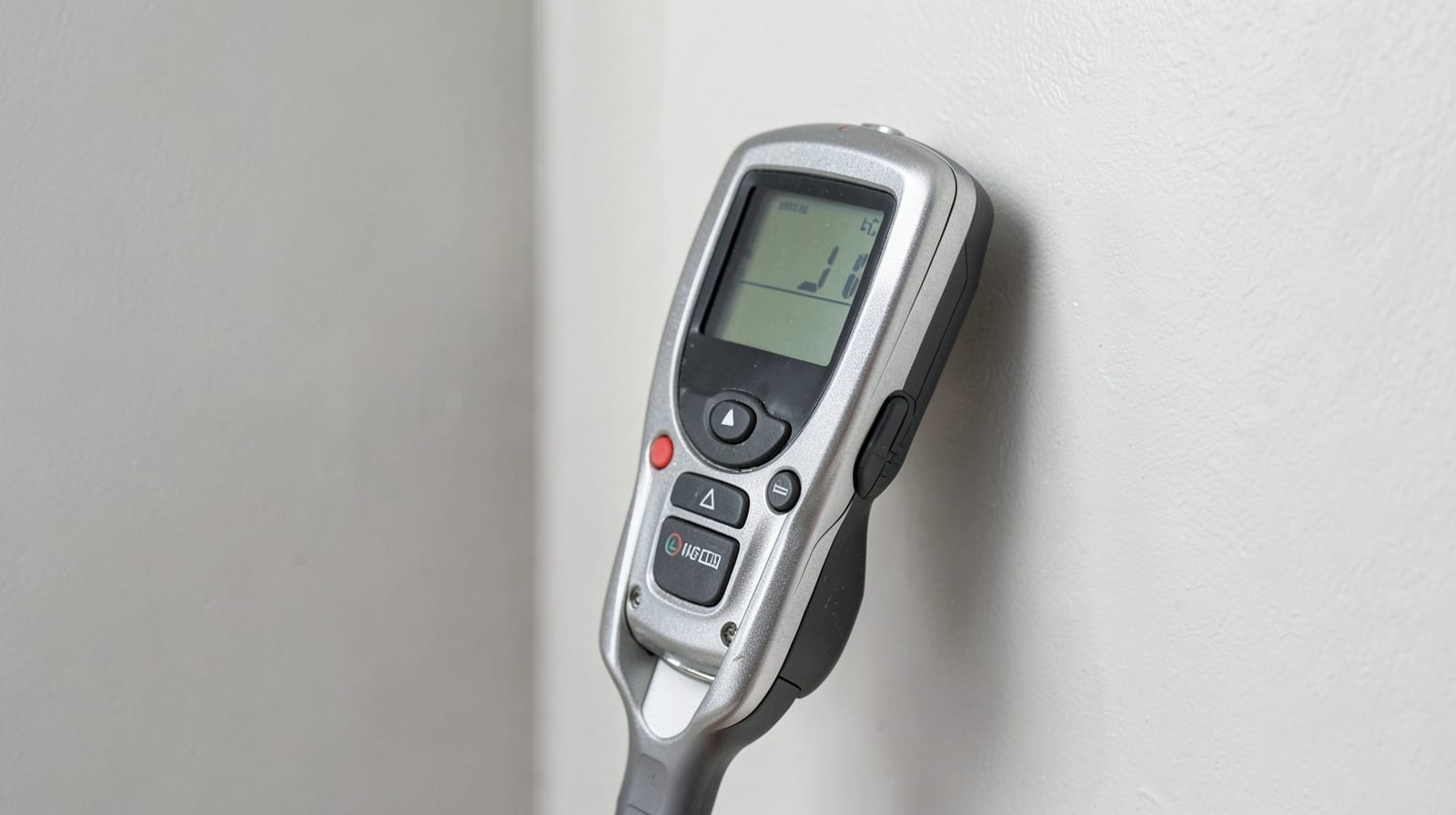
New Construction Mold Remediation in Randolph, MA
Professional mold removal and prevention in newly built homes to ensure safe, clean living spaces.
Learn More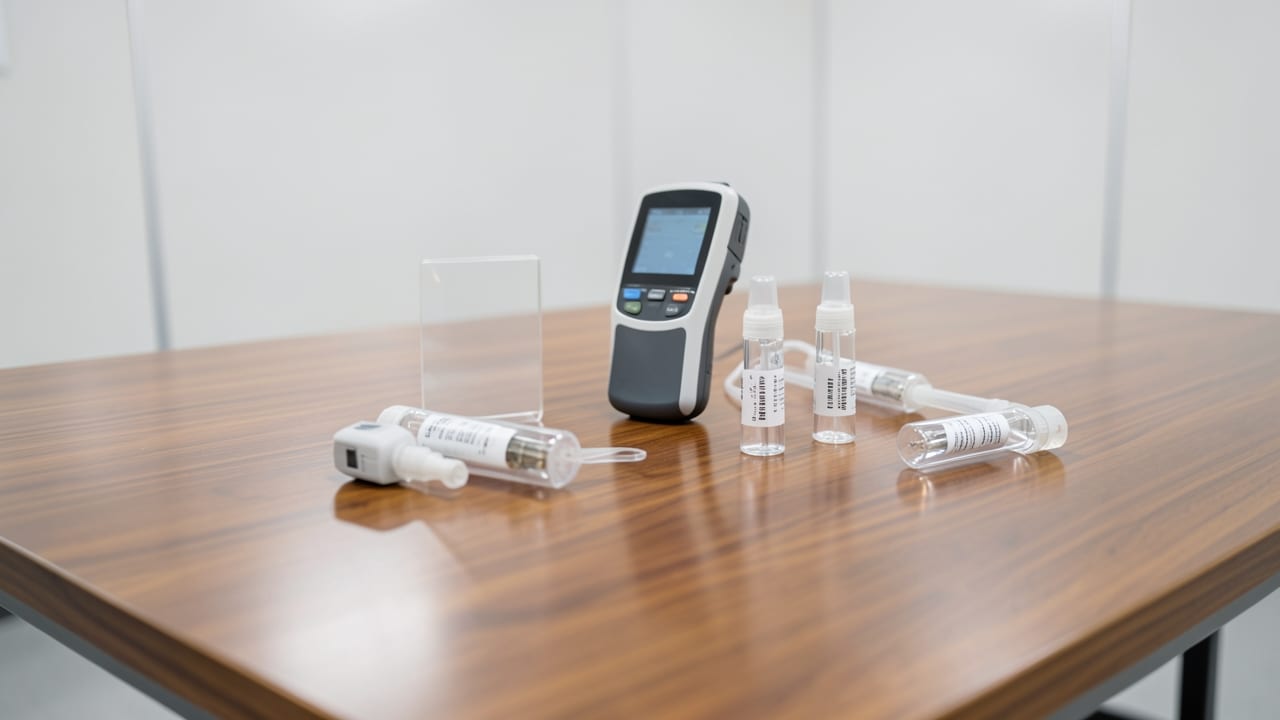
Gym Mold Remediation in Randolph, MA
Professional removal and treatment of mold in gyms to restore safe, clean environments.
Learn More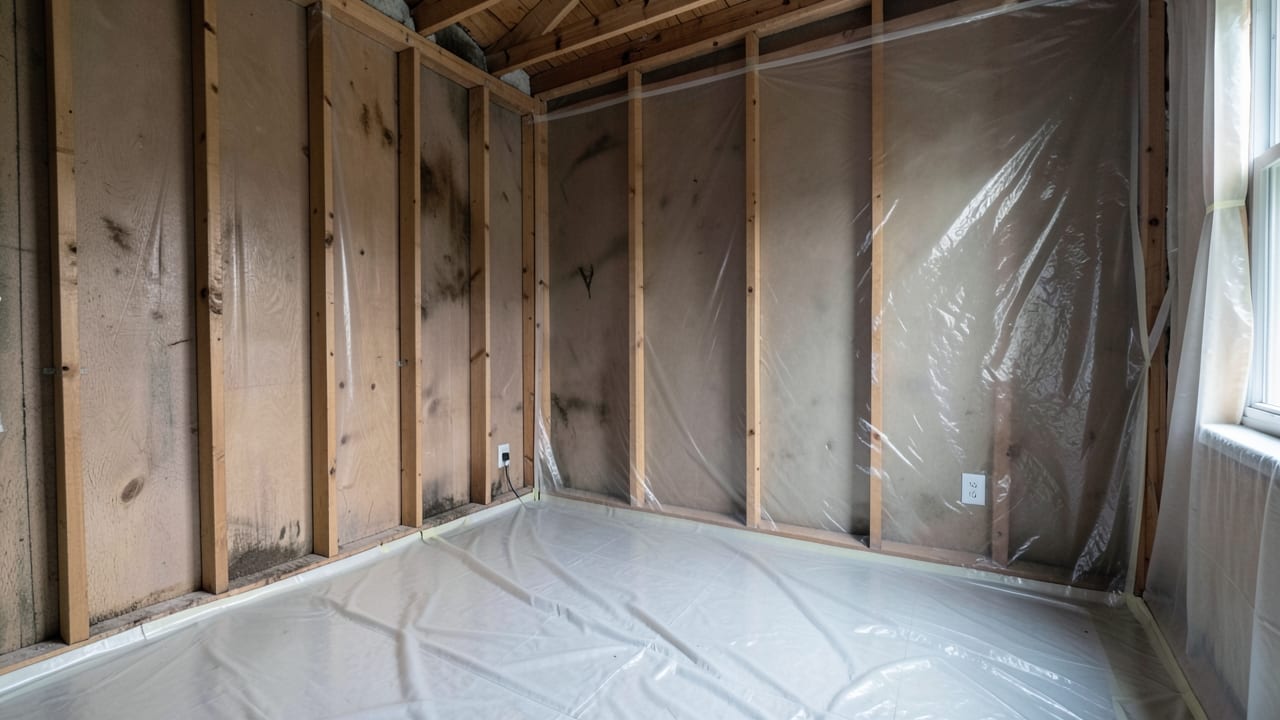
Pet Urine Mold Treatment in Randolph, MA
Professional removal of mold caused by pet urine in homes, including assessment and treatment.
Learn More
Pest Infestation Mold Remediation in Randolph, MA
Professional mold removal and remediation for pest-related infestations in homes.
Learn More Storm Damage Mold Cleanup in Randolph, MA
Professional cleanup and remediation of mold caused by storm-related water damage in homes.
Learn More
Spring Mold Inspection in Randolph, MA
Professional assessment and identification of mold growth in homes.
Learn MoreCommon Questions About Mold Remediation in Randolph
Everything you need to know about mold remediation services in Randolph
How much does Crawl Space & Basement Mold Remediation typically cost in Randolph, MA?
Why does Randolph, MA's humidity make mold a bigger risk than in drier regions?
What's the actual difference between mold removal and mold remediation?
Is a final clearance test part of a typical mold remediation job?
How does mold remediation actually prevent the problem from coming back?
Can mold growing inside HVAC ductwork spread to the rest of a home?
Need Mold Remediation in Randolph?
Connect with local providers in Randolph for a detailed quote.
⏰ We answer your call • Serving all of Randolph and surrounding areas