How to Use a Hygrometer to Monitor Humidity and Prevent Mold in Randolph
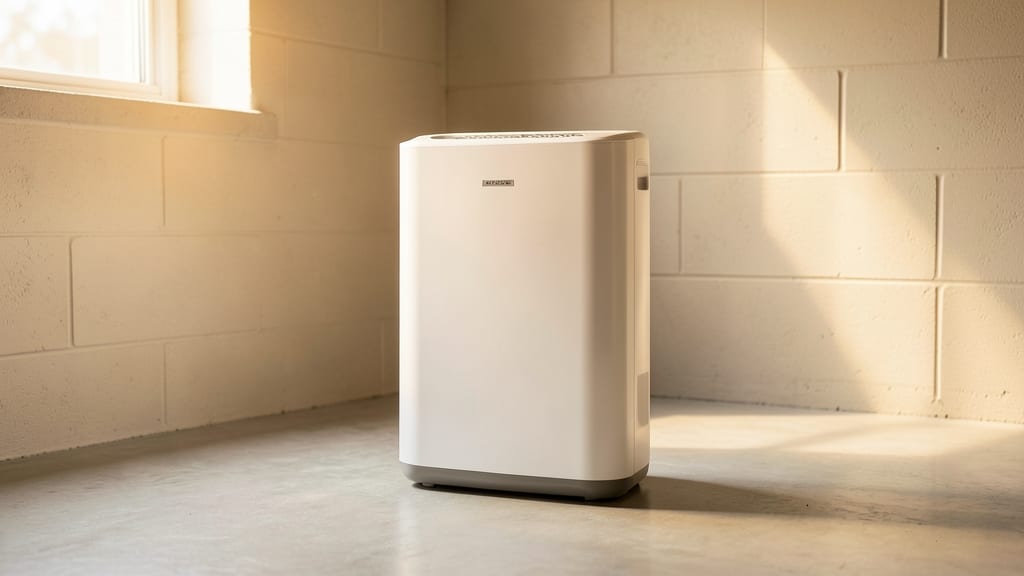
A hygrometer is a simple yet powerful tool for tracking indoor humidity—the silent driver of mold growth in Randolph homes. Left unchecked, moisture in basements, attics, or bathrooms creates the perfect breeding ground for spores. Monitoring humidity lets you act before mold takes hold.
Why Humidity Monitoring Matters for Mold Prevention
Mold thrives in environments where relative humidity exceeds 60%. In Randolph’s humid summers and damp springs, indoor spaces can easily cross this threshold, especially in basements, crawl spaces, and poorly ventilated bathrooms.
High humidity accelerates condensation on walls, windows, and HVAC ductwork. Over time, this moisture seeps into drywall, insulation, and wood—materials that mold colonizes quickly. Early detection via a hygrometer can prevent costly remediation.
Types of Hygrometers and How They Work
Mechanical hygrometers use a moisture-sensitive material (like human hair or nylon) that expands or contracts with humidity changes. These are affordable but require periodic calibration.
Digital hygrometers use electronic sensors for precise readings. Many include temperature displays and memory functions to track trends over time. For Randolph homes, digital models are ideal for their accuracy and ease of use.
| Type | Accuracy | Maintenance | Best For |
|---|---|---|---|
| Mechanical | Moderate (±5-10%) | Requires calibration | Budget-conscious users |
| Digital (Capacitive) | High (±2-5%) | Low (battery replacement) | General home use |
| Digital (Psychrometer) | Very High (±1-3%) | Moderate (sensor care) | Professional inspections |
Where to Place Hygrometers in a Randolph Home
Basements and crawl spaces are priority zones. These areas often lack ventilation and are prone to ground moisture intrusion, especially after heavy rain or snowmelt common in New England.
Bathrooms, kitchens, and laundry rooms should also have dedicated monitors. Steam from showers, cooking, and drying clothes can spike humidity rapidly. Attics are another hotspot, particularly if roof leaks or poor insulation are present.
Keep hygrometers away from direct sunlight, heat sources, or drafts (e.g., near vents or windows). For accuracy, place them at least 3 feet from walls or furniture.
Ideal Humidity Levels to Prevent Mold Growth
The EPA recommends keeping indoor relative humidity between 30% and 50%. Below 30% can cause dryness and structural issues (e.g., wood warping), while above 60% significantly increases mold risk.
In Randolph, outdoor humidity often exceeds 70% in summer. Without climate control, indoor levels can mirror this. Aim to maintain consistency, even in less-used spaces like garages or sunrooms.
What to Do When Humidity Spikes
If readings exceed 60%, act quickly. Run a dehumidifier in the affected area—sizing it to the room’s square footage. For basements in Randolph, a unit with a built-in pump can handle water removal without manual emptying.
Improve airflow with exhaust fans in bathrooms and kitchens. Open windows during dry, mild weather, but avoid this during high outdoor humidity. For persistent issues, inspect for leaks in plumbing, roofs, or foundation walls.
Even with normal humidity readings, hidden leaks (e.g., behind drywall or under flooring) can fuel mold. Use a moisture meter alongside your hygrometer for a full picture.
Calibrating and Maintaining Your Hygrometer
Mechanical hygrometers need calibration every 6–12 months. Use the salt test: place the device in a sealed bag with a damp salt solution for 6 hours. Adjust the reading to 75% if it’s off.
Digital hygrometers may drift over time. Recalibrate if readings seem inconsistent or after extreme temperature changes. Replace batteries annually to ensure accuracy.
Integrating Hygrometers with Other Mold Prevention Strategies
Pair humidity monitoring with regular inspections of high-risk areas. Check under sinks, around window sills, and behind appliances for condensation or water stains. In Randolph, seasonal checks before winter and after spring thaws are critical.
Consider smart hygrometers that send alerts to your phone when humidity spikes. These are useful for vacation homes or rental properties in areas like Braintree or Holbrook, where tenants may overlook early signs.
Seasonal Mold Prevention Checklist
- Test hygrometer accuracy at the start of each season
- Inspect attics and basements for new leaks or stains
- Clean and service dehumidifiers before heavy humidity months
- Check HVAC drip pans and drain lines for clogs
- Replace bathroom and kitchen exhaust fan filters
How to Use a Hygrometer to Prevent Mold
Follow these steps to effectively monitor and control humidity in your home.
- 1Choose the Right Hygrometer
Select a digital model for accuracy, or a mechanical one for simplicity. Ensure it measures relative humidity (RH) and has a range of at least 0–100%.
- 2Place Hygrometers Strategically
Position devices in high-risk areas: basements, attics, bathrooms, and kitchens. Avoid placement near direct heat or cold sources.
- 3Monitor and Record Readings
Check humidity levels daily, especially during humid weather. Note spikes and investigate causes (e.g., cooking, laundry, or leaks).
- 4Take Corrective Action
If humidity exceeds 60%, use dehumidifiers, improve ventilation, or address leaks. For persistent issues, consult a professional for air quality testing or mold inspection.
- 5Maintain and Recalibrate
Clean the hygrometer regularly and recalibrate as needed. Replace batteries in digital models to ensure continuous, accurate readings.
Frequently Asked Questions
How often should I check my hygrometer in Randolph’s climate?
Daily checks are ideal during humid seasons (spring and summer). In drier months, weekly monitoring is usually sufficient, but always keep an eye on basements and attics, which can retain moisture year-round.
Can a hygrometer detect mold directly?
No, hygrometers measure humidity, not mold. However, consistently high readings (above 60%) indicate conditions favorable for mold growth. Use a moisture meter or professional mold testing to confirm mold presence.
What’s the best hygrometer for a damp basement in Randolph?
A digital hygrometer with a dehumidifier integration or alert system works best. Look for models with a wide RH range (0–100%) and durability to withstand basement conditions. Some also include temperature and dew point readings.
Why does my hygrometer read differently in different rooms?
Humidity varies by room due to factors like ventilation, occupancy, and moisture sources. Bathrooms and kitchens often have higher readings, while bedrooms may be lower. This variation is normal but requires targeted solutions.
Should I use a hygrometer if I already have a dehumidifier?
Yes. A dehumidifier only controls humidity—it doesn’t monitor it. A hygrometer lets you verify the dehumidifier is working effectively and adjust settings as needed, especially in fluctuating New England weather.
Are there areas in Randolph where humidity control is more critical?
Yes. Homes near the Neponset River or in low-lying neighborhoods may experience higher baseline humidity. Older homes in Stoughton or Canton with poor insulation or ventilation also require closer monitoring.