Best Practices for Containment During Mold Removal in Randolph
Proper containment is the backbone of effective mold removal. Without it, spores can spread to unaffected areas, turning a localized issue into a full-blown infestation. Randolph’s humid summers and wet springs make containment even more critical to prevent recurrence.
Why Containment Matters in Mold Remediation
Mold spores are microscopic and easily airborne. Without containment, they can migrate through HVAC systems, settling in new areas and restarting growth cycles.
In Randolph, older homes with porous materials like plaster or wood framing demand stricter containment. Spores embed deeply, requiring isolation to prevent hidden spread during removal.
Types of Containment Barriers
Physical barriers use 6-mil polyethylene sheeting to seal off the work area. Critical for large or highly contaminated spaces, such as basements or attics in Randolph homes.
Localized containment, like mini-enclosures, suits smaller areas (e.g., bathroom mold removal). These use zippered openings for tool and material access while maintaining isolation.
| Barrier Type | Best For | Key Features |
|---|---|---|
| Full Enclosure | Large or highly contaminated areas (e.g., crawl spaces, commercial buildings) | 6-mil polyethylene, airlocks, negative air pressure |
| Mini-Enclosure | Small, contained areas (e.g., under sinks, bathroom corners) | Zippered access, localized HEPA filtration |
| Decontamination Chamber | High-risk or sensitive environments (e.g., hospitals, schools) | Multi-stage entry/exit, full PPE requirements |
Negative Air Pressure and Air Scrubbers
Negative air pressure ensures contaminated air flows *into* the work zone, not out. Achieved with HEPA-filtered air scrubbers, which capture 99.97% of spores at 0.3 microns.
In Randolph, where seasonal humidity spikes, running scrubbers continuously during remediation prevents spores from re-entering cleaned spaces.
Place air scrubbers near the containment entry to maximize airflow control. Monitor pressure differentials with a manometer to confirm effectiveness.
Sealing HVAC Systems and Entry Points
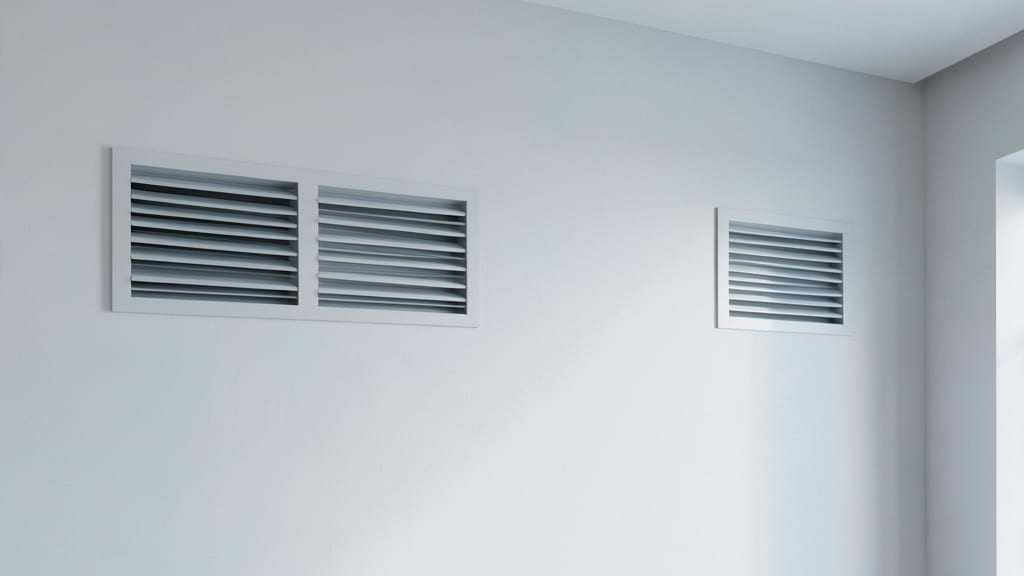
HVAC systems are prime pathways for spore migration. Seal all vents, returns, and ducts in the work area with plastic sheeting and tape before starting remediation.
Entry points like doors, windows, and even electrical outlets must be covered. Randolph’s older properties often have drafty gaps—pay extra attention to these weak spots.
Personal Protective Equipment (PPE) for Containment
PPE isn’t just for workers—it’s part of containment. Full-body suits, gloves, and N95 (or better) respirators prevent spores from hitching a ride on clothing or skin.
Disposable coveralls should be removed and bagged *inside* the containment area to avoid cross-contamination. This is non-negotiable in high-risk jobs like sewer backup mold cleanup.
Never reuse PPE between jobs. Spores clinging to gear can reignite growth in a new location, especially in sensitive areas like schools or hospitals.
Containment for Porous vs. Non-Porous Materials
Porous materials (drywall, insulation, carpet) often require removal and bagging within the containment zone. Non-porous surfaces (glass, metal, tile) can sometimes be cleaned in place.
Randolph’s frequent basement mold issues often involve both types. Containment must adapt: bag porous debris in sealed containers before removing it from the work area.
Porous Material Handling Checklist
- Double-bag debris in 6-mil plastic
- Seal bags with duct tape before removal
- Disinfect the exterior of bags before exiting containment
- Dispose of materials per local Randolph/MA regulations
Post-Remediation Verification and Clearance
Containment doesn’t end with removal. A final HEPA vacuuming of all surfaces inside the barrier is essential to capture lingering spores.
Clearance testing—via air or surface sampling—confirms the area meets safe spore levels. This step is critical before dismantling containment in Randolph properties.
Common Containment Mistakes to Avoid
Skipping negative air pressure in favor of ‘just sealing the room’ is a top error. Without it, spores escape when barriers are breached (e.g., workers entering/exiting).
Using low-quality sheeting (under 6-mil) risks tears, especially in tight spaces like attics or crawl spaces. Randolph’s windy conditions can also compromise weak barriers.
Randolph’s proximity to the coast means salt air can accelerate material degradation. Inspect containment barriers frequently for wear during multi-day projects.
How to Set Up a Basic Mold Containment Barrier
Follow these steps to create an effective containment zone for small to medium mold remediation projects.
- 1Assess the Work Area
Identify the mold’s extent and choose between full or mini-enclosure. Mark the barrier perimeter with painter’s tape on the floor.
- 2Install Plastic Sheeting
Hang 6-mil polyethylene from ceiling to floor, overlapping seams by 2–3 feet. Secure with tape or staples, avoiding gaps.
- 3Create an Air Lock or Entry Point
For full enclosures, build a two-stage entry with overlapping plastic flaps. For mini-enclosures, use a zippered opening.
- 4Set Up Negative Air Pressure
Position HEPA air scrubbers to exhaust air *out* of the containment area. Use a manometer to verify pressure differentials.
- 5Seal All Gaps
Check for and seal any openings (e.g., around pipes, outlets, or baseboards) with tape or foam. Test with a smoke pencil if available.
Frequently Asked Questions
How long should containment stay in place during mold removal in Randolph?
Containment must remain intact until all moldy materials are removed, surfaces are cleaned, and clearance testing confirms safe spore levels. This can range from a few days to over a week for large or complex jobs.
Can I use a regular fan instead of an air scrubber for containment?
No. Regular fans lack HEPA filtration and can spread spores. Air scrubbers are designed to capture microscopic particles, which is essential for effective containment in Randolph’s humid environment.
Is containment necessary for small mold patches?
Yes, even small patches (under 10 sq. ft.) require containment if they’re in high-traffic areas or near sensitive individuals. In Randolph, where mold can spread quickly due to moisture, err on the side of caution.
What’s the difference between containment for residential vs. commercial mold remediation?
Commercial projects often require larger, more complex containment systems, including decontamination chambers and multiple air scrubbers. Residential jobs may use simpler setups but still demand rigorous sealing and pressure control.
How do I know if my Randolph home’s HVAC system is contaminated with mold?
Signs include musty odors from vents, visible mold near registers, or increased allergy symptoms when the system runs. A professional mold inspection with air quality testing can confirm HVAC contamination.
Are there Randolph-specific regulations for mold remediation containment?
Massachusetts follows EPA guidelines for mold remediation, but local health departments may have additional requirements. Always check with Randolph’s board of health for project-specific rules, especially for commercial or multi-unit properties.